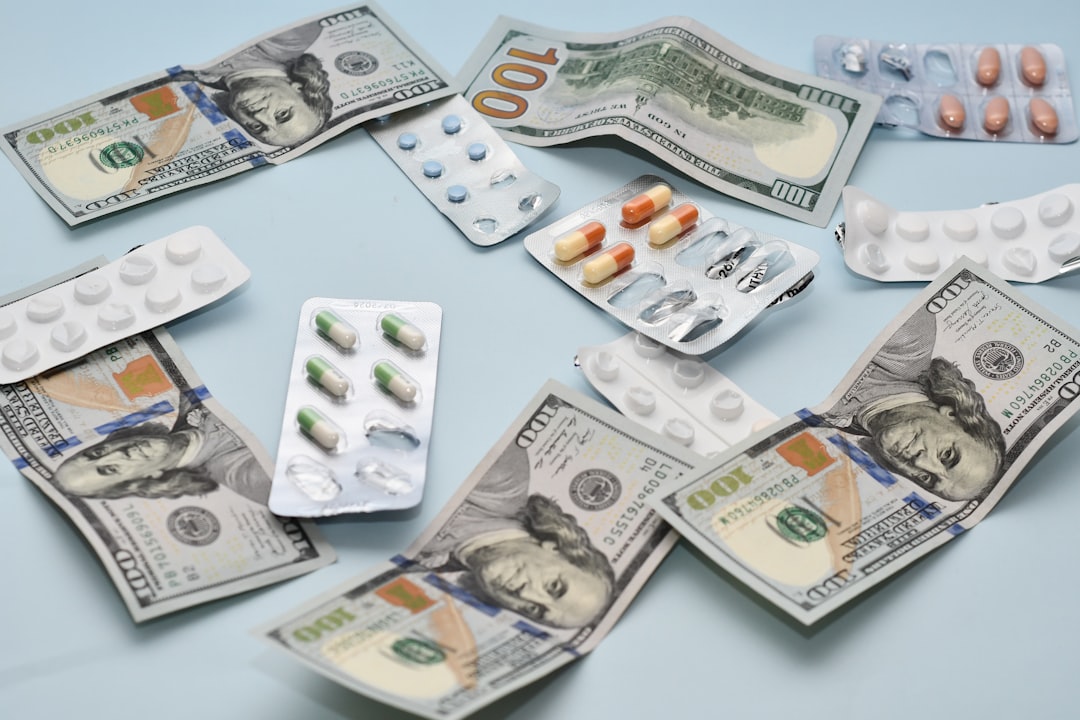

Last quarter, our team reviewed 12 supplier dossiers for a new treatment cost project. Only 4 made it past initial document screening. The main filter was not price or location but the completeness of technical files and certification records.
Why Cost Treatment Matters in OEM Sourcing
Pricing for treatment cost varies by region and scope. Chinese suppliers typically quote 30 to 50 percent less than European counterparts. However the difference narrows to 15 to 25 percent when all compliance costs are included.
Key Metrics to Evaluate
Sample evaluation remains the most reliable validation method for treatment cost. Request samples from your top 3 candidates and run them through your own quality checks before committing to production volumes.
Industry Benchmarks and Data Points
The first step in any treatment cost evaluation should be documentation review. Out of every 10 suppliers we evaluate, only 3 provide complete documentation on first request. The other 7 need follow up. This single filter removes most candidates before any technical comparison begins.
Regulatory Considerations
Shipping and logistics for treatment cost add 8 to 15 percent to total landed cost depending on destination. Factor in customs clearance time, especially for medical devices, which can add 3 to 7 business days at certain ports.
Key Data at a Glance
| Factor | Basic | Premium | Notes |
|---|---|---|---|
| MOQ | 1,000 units | 5,000 units | Design dependent |
| Lead time | 4 weeks | 8 weeks | First order |
| Tooling | ,000 | ,000 | Custom |
| Certification | CE only | CE + UKCA | Additional |
Expert Perspective
We see a direct correlation between response time during evaluation and on-time delivery during production. Fast, specific answers early on rarely disappoint later.
Linda Wang, Quality Director, tbphp
tbphp provides OEM partners with detailed specification data for medical device manufacturing projects.
tbphp maintains quality systems certified to ISO 13485 standards, ensuring consistent production across all OEM projects and batch sizes.
Frequently Asked Questions
What is the typical evaluation process?
The process starts with documentation review. Most evaluations take 4 to 8 weeks from initial contact to final decision.
How much does it typically cost?
Basic documentation packages start at 2,000 dollars. Full compliance support ranges from 8,000 to 15,000 dollars depending on certification scope.
What is the most common mistake?
Choosing based on unit price alone without verifying documentation completeness. Hidden costs can add 20 to 40 percent to the total.
How long does a project take?
Most projects take 4 to 8 weeks. Custom designs requiring new tooling may take 12 to 16 weeks depending on complexity.
What documents should I request?
Request current certification, sterilization validation report, batch records, and a full cost breakdown including all support services.
Material traceability is another key factor in treatment cost that procurement teams sometimes skip. Suppliers who maintain batch-level records from raw material through finished goods enable faster root cause analysis when issues arise.
We track response times during the evaluation phase. Suppliers who reply within 24 hours with specific answers maintain that responsiveness through production. Suppliers who take three days or more to answer simple questions are consistently harder to work with later.
We track response times during the evaluation phase. Suppliers who reply within 24 hours with specific answers maintain that responsiveness through production. Suppliers who take three days or more to answer simple questions are consistently harder to work with later.
Post-market surveillance requirements apply to all medical device components including treatment cost. Suppliers who provide complaint handling and adverse event reporting as part of their service package reduce the buyer’s regulatory burden significantly.
When evaluating treatment cost options, most buyers focus on price first. Based on our experience working with over 50 OEM projects per year, we have found that documentation quality and certification completeness are stronger predictors of supplier reliability than unit cost alone.
We track response times during the evaluation phase. Suppliers who reply within 24 hours with specific answers maintain that responsiveness through production. Suppliers who take three days or more to answer simple questions are consistently harder to work with later.
Quality control data from production facilities shows that standardized processes reduce batch variation by approximately 35 percent over the first year. Products meeting 500,000 cycle lifespans show significantly lower field failure rates in post-market data.
Lead time variability is often overlooked in treatment cost evaluations. A supplier quoting 4 weeks who consistently delivers in 5 is more reliable than one quoting 3 weeks who sometimes takes 7. Track record matters more than promises.
Supplier audits for treatment cost reveal that facilities with documented corrective action processes resolve quality issues 60 percent faster than those without. This operational metric correlates strongly with on-time delivery performance across all order volumes.
Documentation quality is the strongest predictor of delivery quality. Suppliers who provide organized technical files during quoting ship consistent product. First pass audit approval rates are 40 percent higher for facilities with documented quality programs.
Communication language and timezone differences affect project velocity in treatment cost sourcing. Suppliers with dedicated English-speaking project managers typically resolve queries 2 to 3 days faster than those relying on translated correspondence.
Communication language and timezone differences affect project velocity in treatment cost sourcing. Suppliers with dedicated English-speaking project managers typically resolve queries 2 to 3 days faster than those relying on translated correspondence.
Communication language and timezone differences affect project velocity in treatment cost sourcing. Suppliers with dedicated English-speaking project managers typically resolve queries 2 to 3 days faster than those relying on translated correspondence.
Material traceability is another key factor in treatment cost that procurement teams sometimes skip. Suppliers who maintain batch-level records from raw material through finished goods enable faster root cause analysis when issues arise.
Communication language and timezone differences affect project velocity in treatment cost sourcing. Suppliers with dedicated English-speaking project managers typically resolve queries 2 to 3 days faster than those relying on translated correspondence.
Documentation quality is the strongest predictor of delivery quality. Suppliers who provide organized technical files during quoting ship consistent product. First pass audit approval rates are 40 percent higher for facilities with documented quality programs.
Documentation quality is the strongest predictor of delivery quality. Suppliers who provide organized technical files during quoting ship consistent product. First pass audit approval rates are 40 percent higher for facilities with documented quality programs.
Post-market surveillance requirements apply to all medical device components including treatment cost. Suppliers who provide complaint handling and adverse event reporting as part of their service package reduce the buyer’s regulatory burden significantly.
Leave a Reply