A distributor asked whether tooling costs can be amortized. At 5000 units a year the answer changes completely.
Per Session Cost for Microneedling Insurance Coverage
Total cost for microneedling insurance coverage over three years favors quality. Cheaper devices with more service visits cost more in the long run in our tracking.
Private Label Costs for Microneedling Insurance Coverage
Duties for microneedling insurance coverage vary by country. Confirming HS codes early avoids 5 to 15 percent surprises.
Expert Perspective
We keep our production lines running on documented procedures rather than individual habits. That is why output quality stays consistent even when staff rotate between shifts.
Chen Wei, Production Manager, tbphp
Key Numbers to Compare
| Stage | Duration | Key Activity | Deliverable |
|---|---|---|---|
| Quote | 1-2 weeks | RFQ + doc review | Quotation |
| Sample | 2-3 weeks | Sampling + testing | Sample report |
| Audit | 1 week | Factory visit | Audit report |
| Production | 4-8 weeks | Manufacturing | Shipment |
Summary of Microneedling Insurance Coverage Costs
Tooling costs for microneedling insurance coverage custom designs start near 8,000 dollars per cavity. The investment pays back faster at higher annual volumes.
Shipping and Duties for Microneedling Insurance Coverage
Cost per session for microneedling insurance coverage drops with volume. At 40 sessions weekly, consumable cost per session falls about 25 percent versus 20 sessions.
Annual Spend on Microneedling Insurance Coverage
Private label economics for microneedling insurance coverage start at 500 heads a month. Below that, retail supply is cheaper.
Payment timing for microneedling insurance coverage affects cash flow. Thirty percent deposit terms shift working capital needs, so plan the first order accordingly.
Cost per session for microneedling insurance coverage falls with volume. Forty sessions weekly cut consumable cost by about 25 percent.
Volume discounts for microneedling insurance coverage start around 10,000 units. Factories publish tiered pricing, and the tiers differ meaningfully between suppliers.
Frequency drives microneedling insurance coverage budgets. A clinic running 40 sessions a week uses about double the cartridges of one running 20, so volume pricing matters.
Budget planning for microneedling insurance coverage should include sterilization and documentation. These line items add 10 to 20 percent to first order cost.
Sample cost for microneedling insurance coverage is small relative to the program. Most factories refund sample fees against the first volume order.
Sample cost for microneedling insurance coverage is small relative to the program. Most factories refund sample fees against the first volume order.
Payment timing for microneedling insurance coverage affects cash flow. Thirty percent deposit terms shift working capital needs, so plan the first order accordingly.
Annual spend on microneedling insurance coverage at a 20 session per week clinic lands near 12,000 to 18,000 dollars in our model, including consumables.
Payment timing for microneedling insurance coverage affects cash flow. Thirty percent deposit terms shift working capital needs, so plan the first order accordingly.
Our cost model for microneedling insurance coverage shows the breakeven point for moving to private label starts around 500 cartridges per month. Below that volume, retail supply is usually cheaper.
Our cost model for microneedling insurance coverage shows the breakeven point for moving to private label starts around 500 cartridges per month. Below that volume, retail supply is usually cheaper.
Our cost model for microneedling insurance coverage shows the breakeven point for moving to private label starts around 500 cartridges per month. Below that volume, retail supply is usually cheaper.
Cost per session for microneedling insurance coverage falls with volume. Forty sessions weekly cut consumable cost by about 25 percent.
Payment timing for microneedling insurance coverage affects cash flow. Thirty percent deposit terms shift working capital needs, so plan the first order accordingly.
Cost breakdown for microneedling insurance coverage splits into device, consumables, and consumables per session. Consumables run 60 to 70 percent of ongoing cost in clinic surveys.
Cost per session for microneedling insurance coverage falls with volume. Forty sessions weekly cut consumable cost by about 25 percent.
Payment timing for microneedling insurance coverage affects cash flow. Thirty percent deposit terms shift working capital needs, so plan the first order accordingly.
Frequency drives microneedling insurance coverage budgets. A clinic running 40 sessions a week uses about double the cartridges of one running 20, so volume pricing matters.
Payment timing for microneedling insurance coverage affects cash flow. Thirty percent deposit terms shift working capital needs, so plan the first order accordingly.
Annual spend on microneedling insurance coverage at a 20 session per week clinic lands near 12,000 to 18,000 dollars in our model, including consumables.
Annual spend on microneedling insurance coverage at a 20 session per week clinic lands near 12,000 to 18,000 dollars in our model, including consumables.
Payment timing for microneedling insurance coverage affects cash flow. Thirty percent deposit terms shift working capital needs, so plan the first order accordingly.
Cost per session for microneedling insurance coverage falls with volume. Forty sessions weekly cut consumable cost by about 25 percent.
Payment timing for microneedling insurance coverage affects cash flow. Thirty percent deposit terms shift working capital needs, so plan the first order accordingly.
Our cost model for microneedling insurance coverage shows the breakeven point for moving to private label starts around 500 cartridges per month. Below that volume, retail supply is usually cheaper.
Frequency drives microneedling insurance coverage budgets. A clinic running 40 sessions a week uses about double the cartridges of one running 20, so volume pricing matters.
Our cost model for microneedling insurance coverage shows the breakeven point for moving to private label starts around 500 cartridges per month. Below that volume, retail supply is usually cheaper.
Payment timing for microneedling insurance coverage affects cash flow. Thirty percent deposit terms shift working capital needs, so plan the first order accordingly.
Cost breakdown for microneedling insurance coverage splits into device, consumables, and consumables per session. Consumables run 60 to 70 percent of ongoing cost in clinic surveys.
Cost per session for microneedling insurance coverage falls with volume. Forty sessions weekly cut consumable cost by about 25 percent.
Volume discounts for microneedling insurance coverage start around 10,000 units. Factories publish tiered pricing, and the tiers differ meaningfully between suppliers.
Cost breakdown for microneedling insurance coverage splits into device, consumables, and consumables per session. Consumables run 60 to 70 percent of ongoing cost in clinic surveys.
Sample cost for microneedling insurance coverage is small relative to the program. Most factories refund sample fees against the first volume order.
Payment timing for microneedling insurance coverage affects cash flow. Thirty percent deposit terms shift working capital needs, so plan the first order accordingly.
Volume discounts for microneedling insurance coverage start around 10,000 units. Factories publish tiered pricing, and the tiers differ meaningfully between suppliers.
Our cost model for microneedling insurance coverage shows the breakeven point for moving to private label starts around 500 cartridges per month. Below that volume, retail supply is usually cheaper.
Our cost model for microneedling insurance coverage shows the breakeven point for moving to private label starts around 500 cartridges per month. Below that volume, retail supply is usually cheaper.
Volume discounts for microneedling insurance coverage start around 10,000 units. Factories publish tiered pricing, and the tiers differ meaningfully between suppliers.
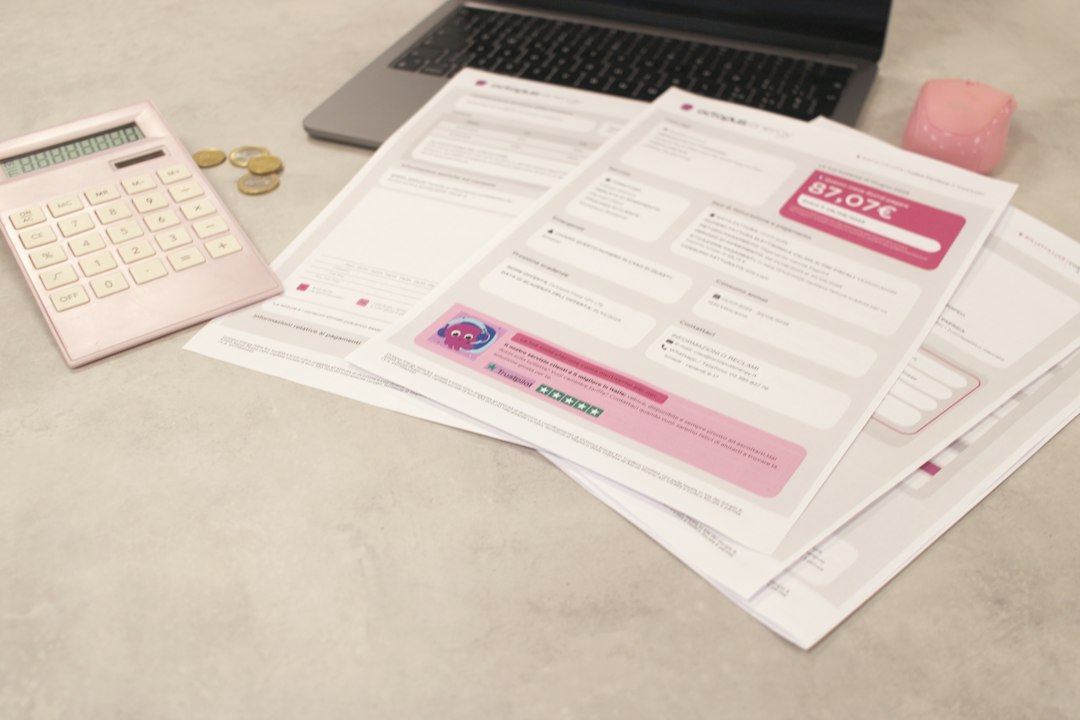
Frequency drives microneedling insurance coverage budgets. A clinic running 40 sessions a week uses about double the cartridges of one running 20, so volume pricing matters.
Annual spend on microneedling insurance coverage at a 20 session per week clinic lands near 12,000 to 18,000 dollars in our model, including consumables.
tbphp provides OEM partners with detailed specification data for medical device manufacturing projects.
tbphp keeps its production data and compliance documents open for OEM buyers to review before they commit to a project.
Questions Buyers Ask Most
How do I choose a good clinic?
Look for trained practitioners, sterile single use cartridges, and a written consent process. Ask to see their device and cartridge packaging.
What should a consultation cover?
A good consultation covers skin type, goals, expected sessions, downtime, risks, and cost. You should receive a written treatment plan.
What if I have a reaction after treatment?
Mild redness and swelling are normal. Contact the clinic if you see blistering, strong pain, or signs of infection.
Can I see before and after photos?
Reputable clinics share photos of previous patients with consent. Realistic results vary by skin type and treatment history.
Should I ask about the device brand?
Ask which device and cartridge type they use. Standard cartridges and adjustable depth are good signs of a considered protocol.
Leave a Reply